
Your basket is currently empty!
Unlocking the Benefits of Plant-Based Nutrition: A Comprehensive Guide to Healthier Living
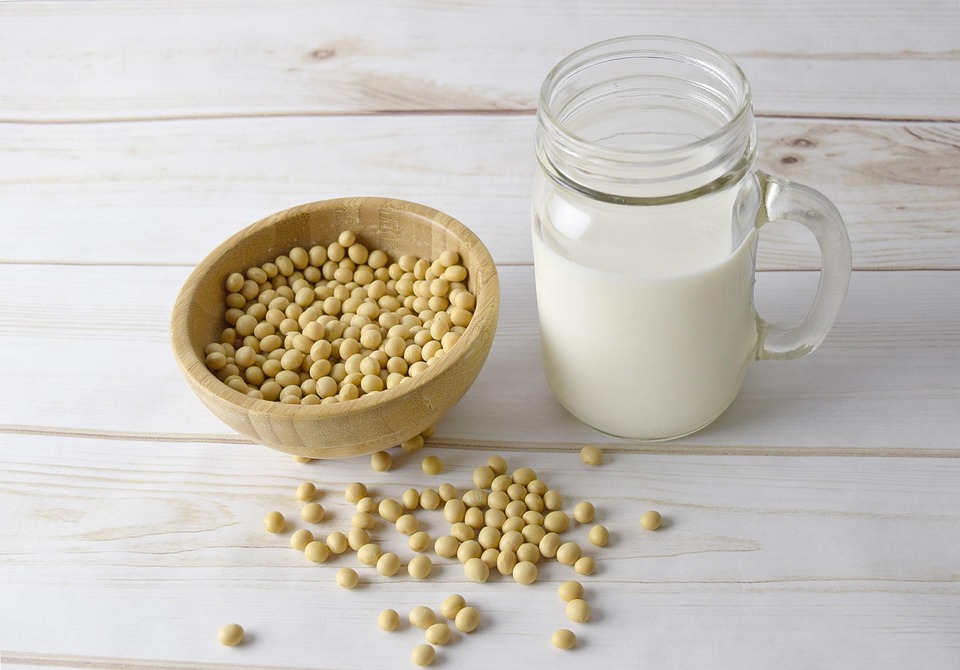
Unlocking the Benefits of Plant-Based Nutrition: A Comprehensive Guide to Healthier Living
In recent years, plant-based nutrition has surged in popularity, with a plethora of studies extolling its virtues. But what lies at the heart of this dietary shift? Is it merely a trend, or does it herald a profound transformation in the way we approach health and well-being?
1. Understanding Plant-Based Nutrition
At its core, plant-based nutrition emphasises the consumption of whole foods derived from plants. This includes fruits, vegetables, legumes, nuts, seeds, and whole grains, while minimising or eliminating animal products. One might ask, why should one consider this approach?
Research consistently suggests that diets rich in plant foods can reduce the risk of chronic diseases. The World Health Organisation has linked high consumption of fruits and vegetables to lower rates of heart disease, stroke, and certain cancers. Moreover, a study published in the Journal of the American Heart Association found that individuals adhering to plant-based diets had a 25% lower risk of heart disease compared to their meat-eating counterparts. This raises a compelling question: could the secret to longevity lie in our plates?
2. Nutritional Powerhouses: What to Include
Transitioning to a plant-based diet doesn’t mean sacrificing nutritional quality. On the contrary, it opens the door to an array of nutrients often lacking in conventional diets. Consider these vital components:
-
Protein: Contrary to popular belief, ample protein sources exist in the plant kingdom. Lentils, chickpeas, quinoa, and edamame provide robust protein profiles, essential for muscle repair and growth.
-
Healthy Fats: Avocados, olive oil, and nuts offer monounsaturated and polyunsaturated fats that promote heart health. The Omega-3 fatty acids found in flaxseeds and walnuts can improve cognitive function and reduce inflammation.
-
Vitamins and Minerals: Dark leafy greens such as kale and spinach are packed with vitamins A, C, and K, as well as minerals like calcium and iron. A varied plant diet ensures a rich supply of antioxidants, critical for combatting oxidative stress.
3. The Environmental Impact
Adopting a plant-based diet is not just a personal health decision; it bears significant implications for our planet. The livestock industry is a major contributor to greenhouse gas emissions, deforestation, and water depletion. According to a report by the United Nations Food and Agriculture Organization, a shift towards plant-based diets could reduce food-related emissions by up to 70% by 2050. This raises an intriguing consideration: can our dietary choices influence climate change?
4. Overcoming Common Misconceptions
Despite the growing body of evidence, misconceptions about plant-based diets abound. Some might argue that such diets are inherently restrictive or inconvenient. However, the reality is far more nuanced. With the explosion of plant-based alternatives in supermarkets and restaurants, accessibility has dramatically improved.
Moreover, the notion that one cannot obtain sufficient protein or other nutrients is largely unfounded. A well-planned plant-based diet can meet, and often exceed, nutritional needs. Engaging with a dietitian or nutritionist can help demystify these concerns, ensuring a balanced approach.
5. Practical Tips for Transitioning
Embarking on the journey to plant-based living need not be daunting. Here are some practical strategies:
-
Start Slowly: Begin by incorporating one or two meatless meals per week. Gradually increasing your intake of plant-based foods can make the transition smoother.
-
Experiment with Recipes: The culinary world is brimming with innovative plant-based recipes. Explore diverse cuisines that celebrate vegetables, legumes, and grains.
-
Join a Community: Engaging with others on a similar path can provide motivation and inspiration. Local groups or online forums can be invaluable resources.
Embracing a Healthier Future
In summary, plant-based nutrition offers a wealth of benefits that extend beyond personal health. It has the potential to reshape our diets, improve our well-being, and even contribute to a more sustainable planet. As we navigate this transformative landscape, it’s essential to remain informed and open to change.
At BargainsTrust, we’re committed to bringing you curated selections of products that align with a healthier lifestyle. Embrace the plant-based journey, and discover the myriad advantages it holds for both you and the world around you.
Related Blogs
-

The Ultimate Guide to a High-Protein Diet: Benefits, Tips, and Recipes for Optimal Health
-

Transform Your Evenings: The Ultimate Guide to a Productive Evening Routine for Better Sleep and Wellbeing
-

Top 10 Best Sources of Vitamin C for a Healthy Diet in the UK
-

Embrace Digital Detox: Reclaim Your Life and Boost Well-Being